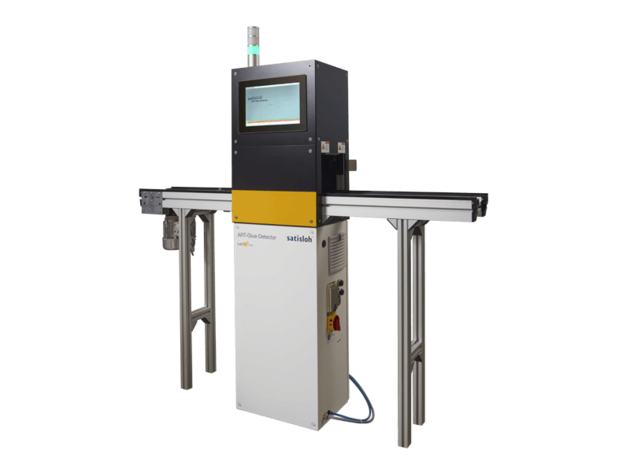
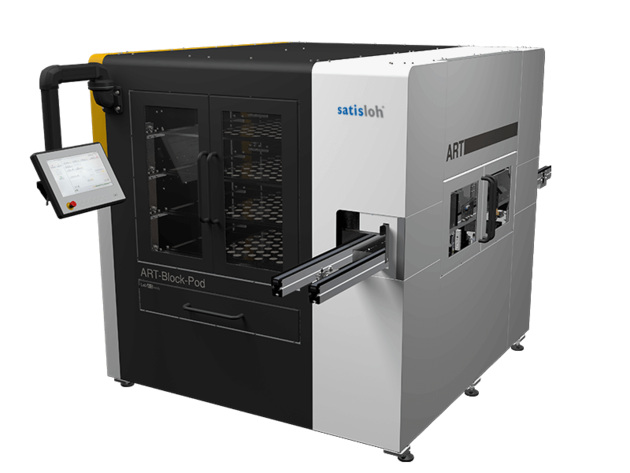
Transitioning from alloy to ART is easy

In today’s competitive lab environment, efficiency, consistency, and cost control are more critical than ever. Traditional alloy-based blocking is increasingly challenged by price volatility and process limitations that impact productivity and quality. 

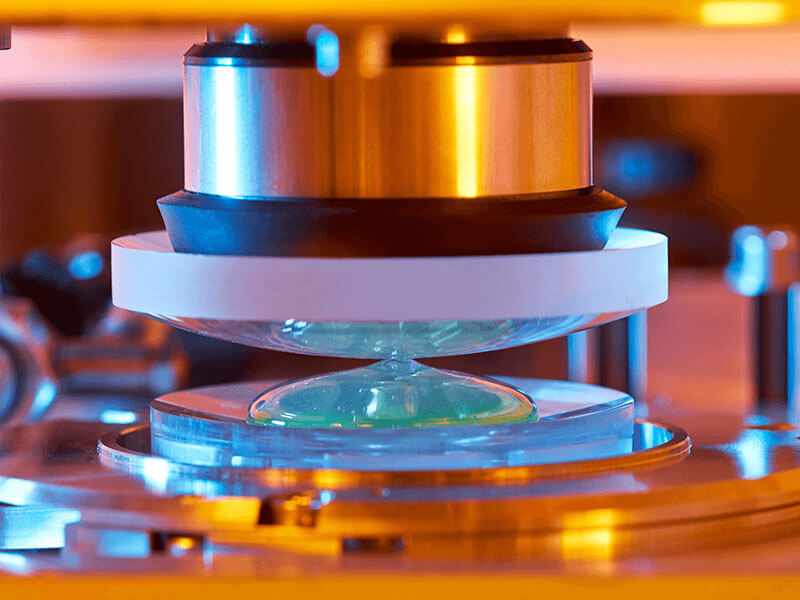
ART technology offers a proven, future-ready alternative. By removing dependency on fluctuating raw material markets and enabling a fully automated, streamlined workflow, it helps labs operate more efficiently while ensuring consistently high lens quality. 

With over 400 installations worldwide and more than 70 million lenses produced, ART is a reliable and scalable solution for modern lens manufacturing. Discover the five reasons why leading labs are making the switch to ART. 

It’s time to make the move!
5 Reasons Why Labs Should Move To ART:

1. Peace of Mind

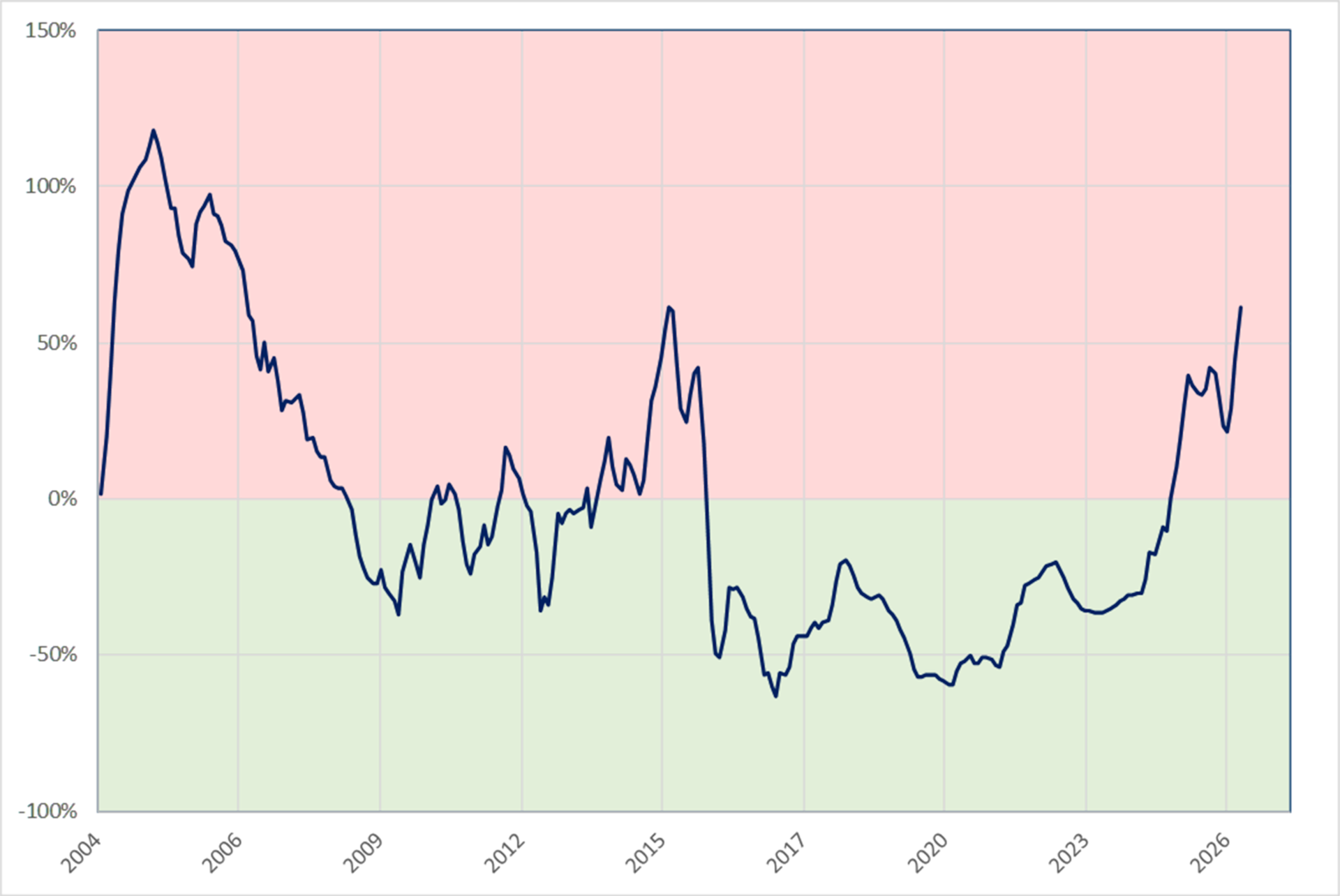
  • Stable predictable blocking costs & secure supply chain
    • ART glue is not tied to fluctuating metal markets
    • Adhesive production on two continents ensures uninterrupted availability.
    • Alternative raw material sources are available.
  • Stringent quality control of all ART components.
  • Adhesive price secure and not subject to market variation like alloy.
  • 400 successful ART installations worldwide, 70+ million good lenses produced.

2. Achieve Operational Efficiency & Speed

  • Less process steps, eliminates:
    - taping,
    - cool-down time,
    - and detaping
  • No cool-down time means:
    - Up to an hour of process time saved vs. alloy.
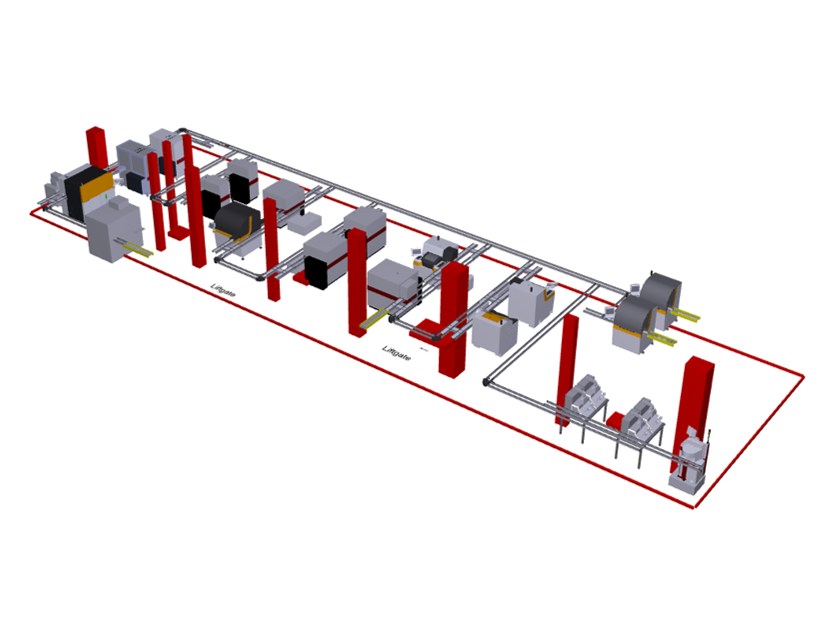
    - Smaller lab footprint (no stackers/destackers or cooling conveyors required for holding trays during cool-down).
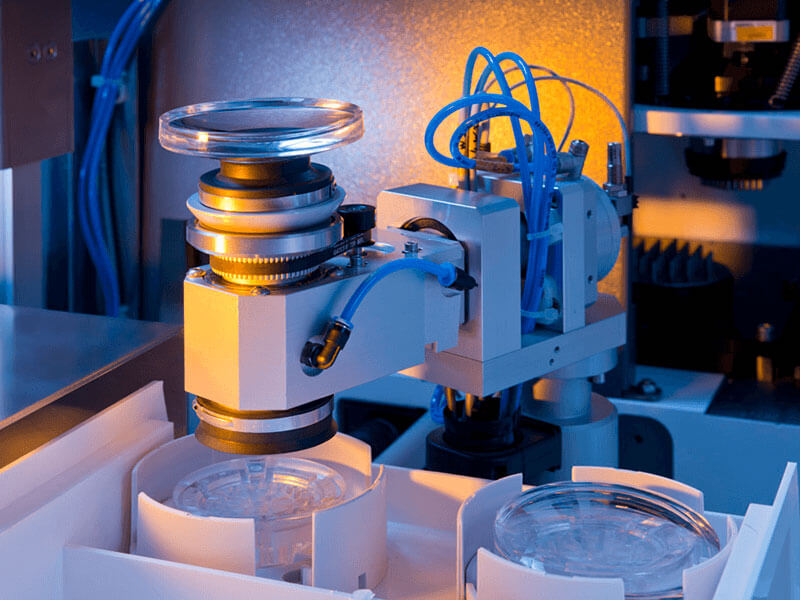
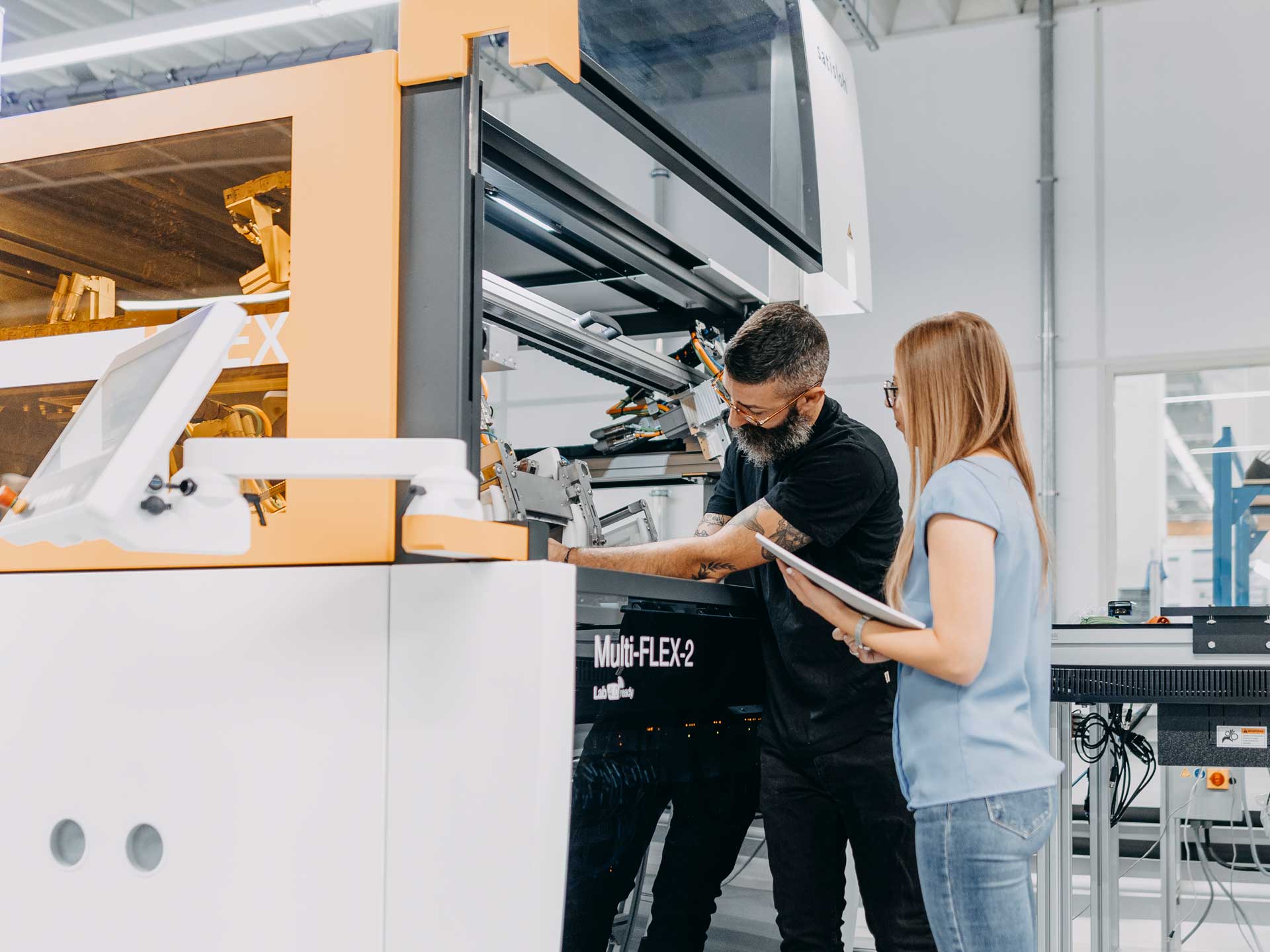
  • Full process automation including automated block-piece handling. Labor reduction by up to 70% compared to manual alloy.
  • ART enables seamless, automated lens processing from generating all the way through hard and AR coating (Express AR technology).

3. Increase Yield & Improve Lens Quality

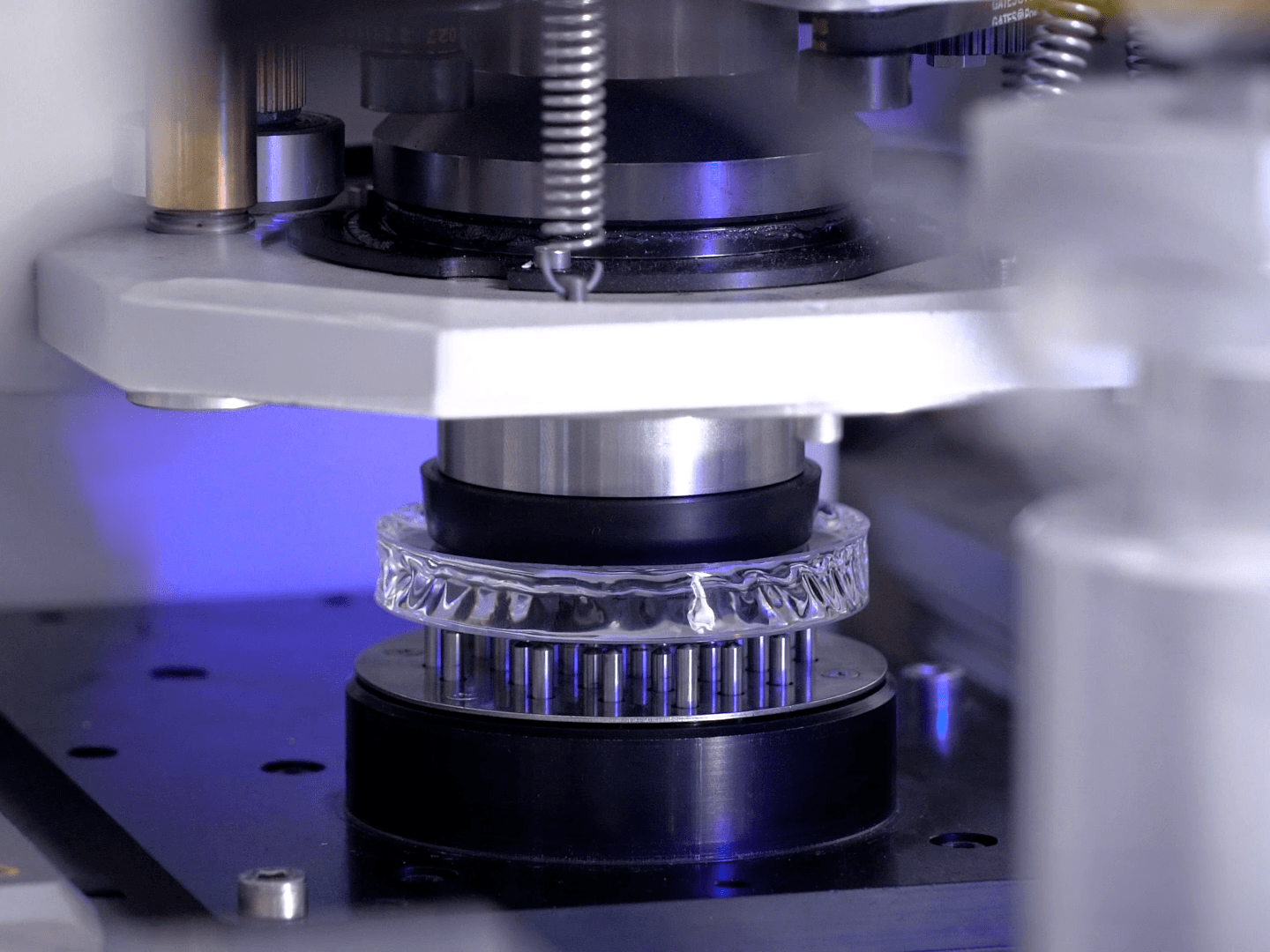
  • Higher lens surface support for more precise surface cuts and reduced chatter marks.
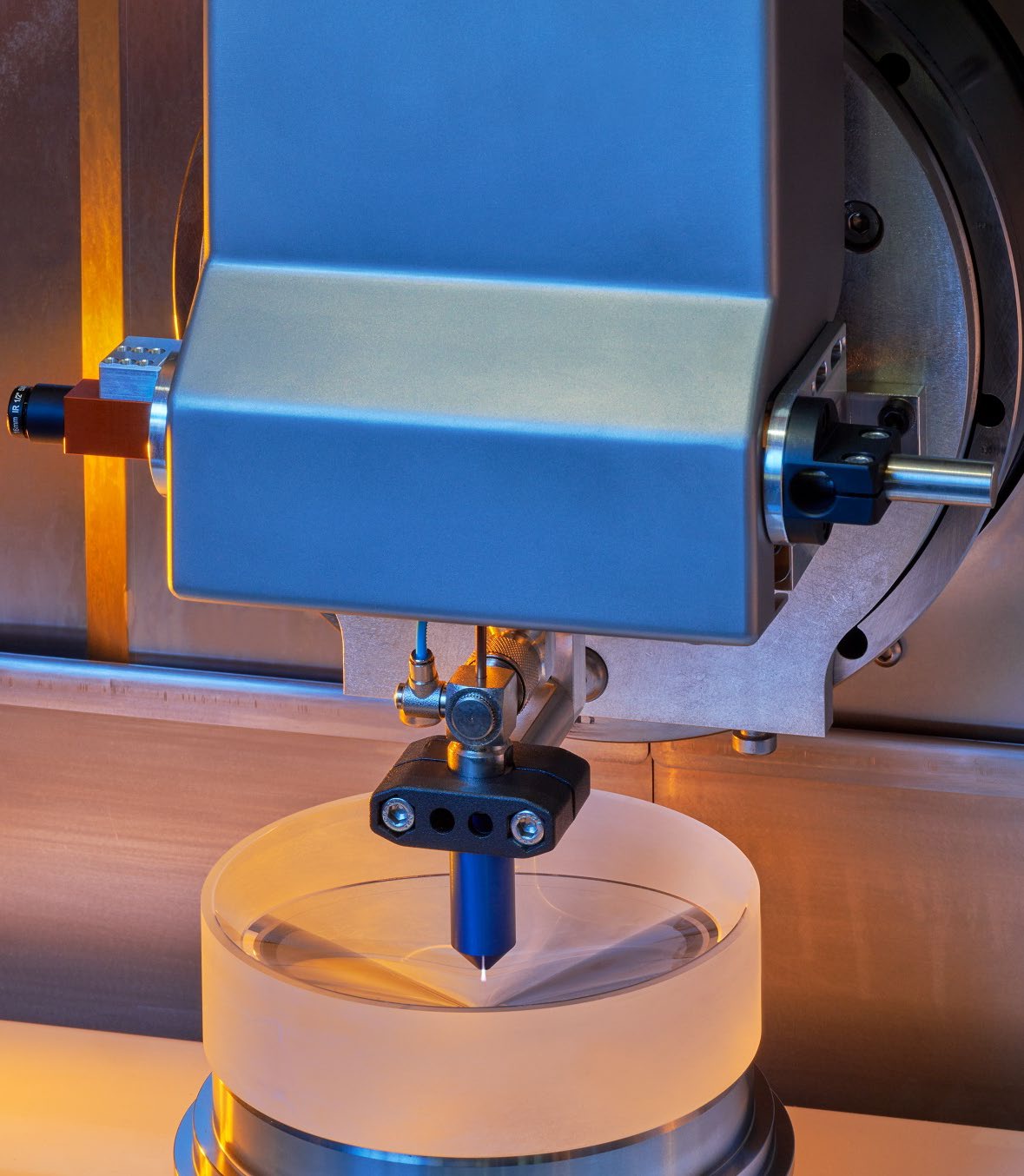
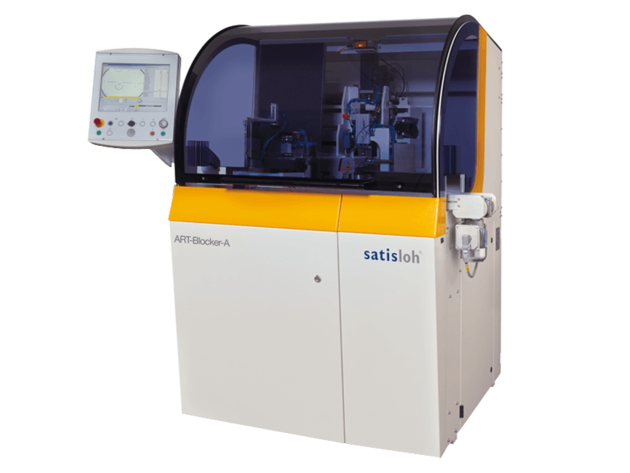
  • Feedback loop: ART-Blocker-A probes blank front side and feeds actual measurements to the LMS system for precise recalculation of the back surface.
  • Spatial blocking for precise lens positioning means highest accuracy of prism and thickness.

4. Reduce Ecological Footprint

  • ART is free of toxic Lead and Cadmium. This means no water contamination and safe working condition for operators.
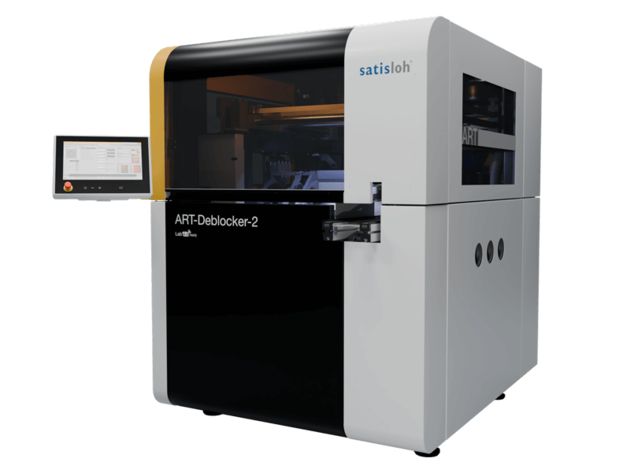
  • Up to 5 times lower water usage compared to automated alloy blocking: ART-Deblocker-2 with WFS2 (Water Filtration System) recirculates water (alloy deblockers do not) and no detaper is required.
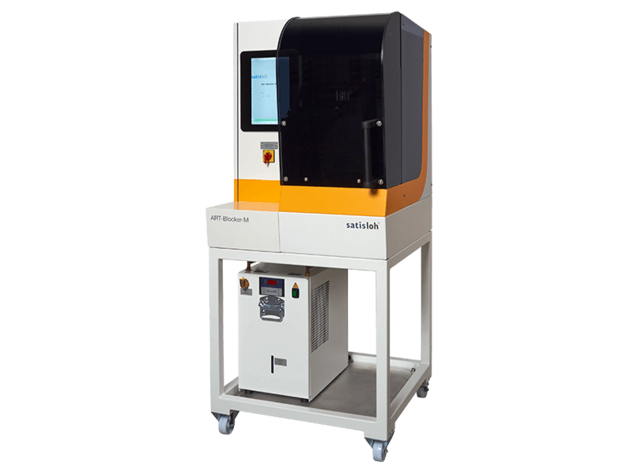
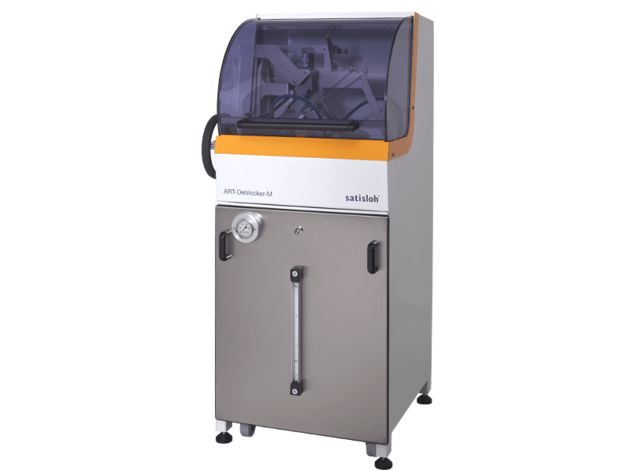
  • Up to 50% lower energy consumption. Only two machines with ART (blocker, deblocker) vs. four with alloy (taper, blocker, deblocker, detaper). No alloy tank heater. No cooling plate.
  • ART uses 99,99% less mineral materials than alloy avoiding the depletion of valuable resources, such as Bismuth and Indium.*
  • The use of ART instead of alloy reduces the impact of blocking on climate change by 35%.*

5. Equipment Compatibility

  • ART’s OPS blocks are compatible with standard equipment collet chucks, allowing mixed production of ART and alloy blocked lenses.
  • Open system makes transitioning from alloy to ART easy. A gradual transition is possible.

Ask us a question

Satisloh experts are ready to answer your questions. We help you make the right machine purchase decision
 

Ask us a question

Request product information

Satisloh designs and manufactures machines that meet your specific requirements. Request more product information or your personalized quote today!
 

Request product information